

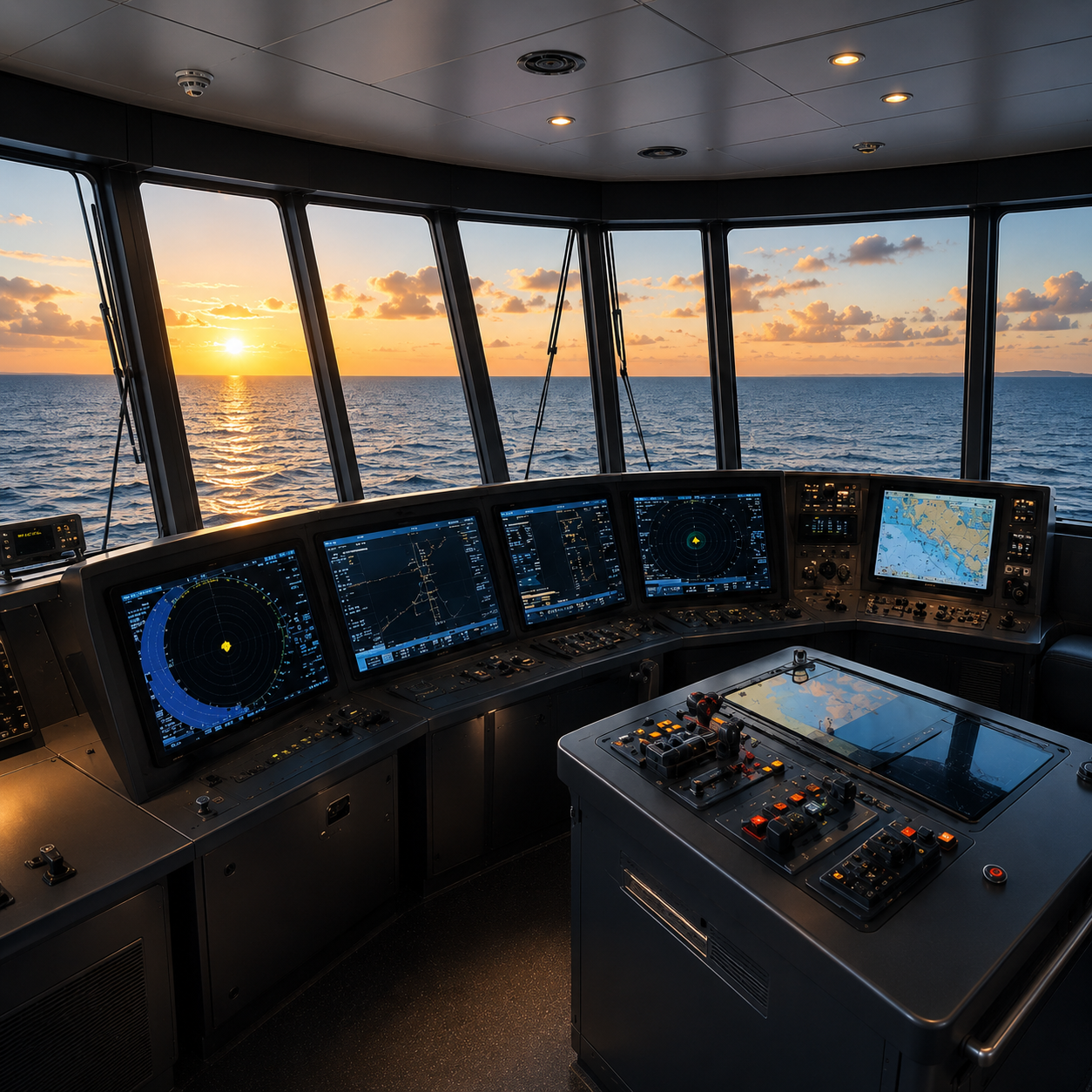
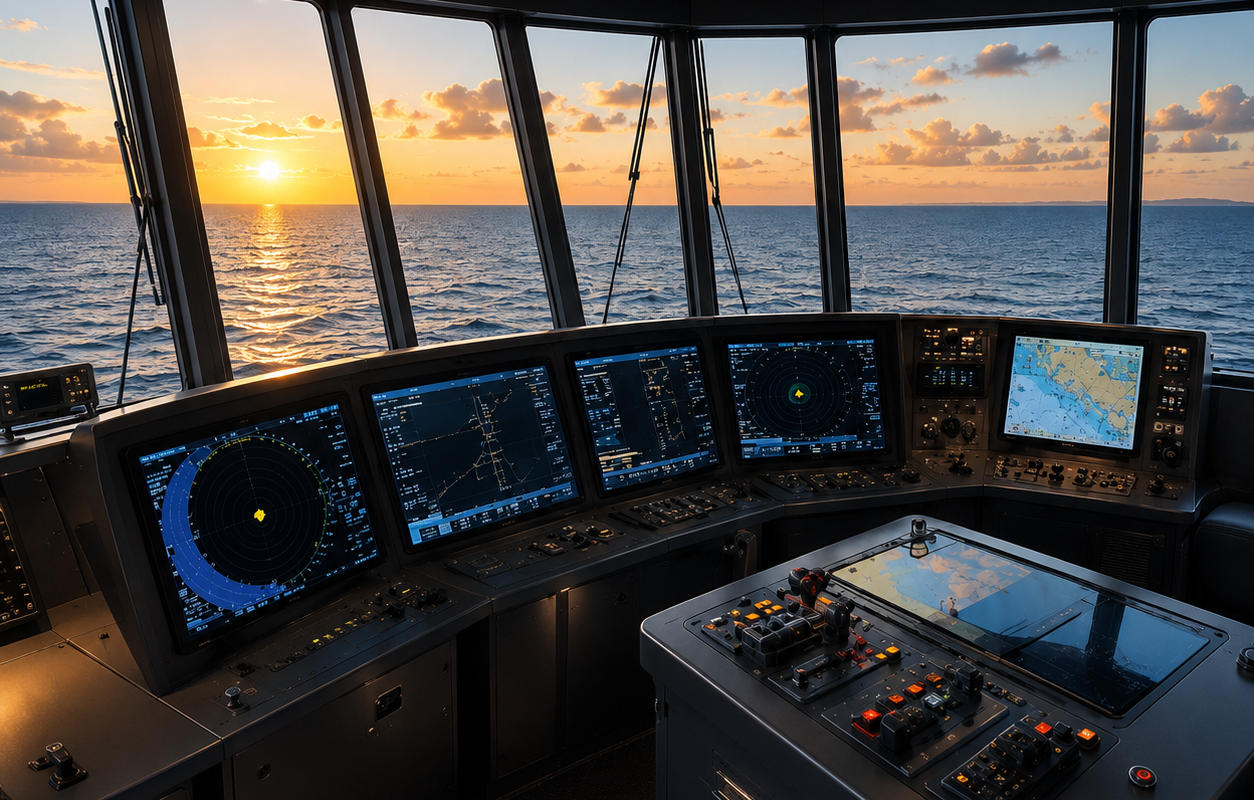
Communication is one of the most important elements of maritime safety. When a vessel is operating far from shore, reliable communication can make the difference between a controlled response and a serious emergency. The Global Maritime Distress and Safety System, commonly known as GMDSS, was developed to provide an organized international framework for maritime distress communication and safety information.
GMDSS brings together different communication and alerting technologies to help vessels send and receive distress messages, safety information, and other important maritime communications.
One of its most important functions is distress alerting. If a vessel experiences a serious emergency, the crew needs a reliable way to notify rescue authorities and nearby vessels. GMDSS equipment provides several methods of communication depending on the vessel’s operating area and equipment requirements.
Marine VHF radio is an important part of onboard communication. It allows vessels to communicate with nearby ships, ports, coastal stations, and maritime authorities. VHF is especially useful in coastal waters, ports, and busy shipping areas.
For longer-distance communication, vessels may rely on satellite communication systems and other long-range radio equipment. These technologies help maintain communication when a ship is operating far beyond the range of terrestrial communication systems.
Emergency Position-Indicating Radio Beacons, or EPIRBs, are another important component. An EPIRB can transmit an emergency signal containing information that assists search-and-rescue organizations in locating a vessel in distress. This technology is particularly valuable when immediate voice communication is not possible.
Search and Rescue Transponders also support emergency response. Depending on the equipment and operating environment, these devices can help rescuers identify and locate survival craft or persons in distress.
GMDSS also supports the distribution of maritime safety information. Vessels need access to important information such as navigational warnings, weather information, and other safety-related messages. Receiving timely information can help crews avoid hazards and prepare for changing conditions.
The effectiveness of GMDSS depends not only on having the correct equipment installed but also on ensuring that equipment remains operational. Regular testing, inspection, maintenance, and appropriate crew training are essential.
A communication system that has not been maintained properly may not perform when it is needed most. Batteries can deteriorate, antennas can develop faults, equipment can become outdated, and operators can lose familiarity with procedures. Preventive maintenance helps reduce these risks.
Crew training is equally important. Maritime personnel must understand how to operate communication and distress equipment correctly and how to respond during emergency situations. Training and drills help ensure that the crew can act quickly under pressure.
Technology is also continuing to evolve. Modern maritime communication systems are becoming more digital, connected, and integrated with other onboard systems. These developments can improve information sharing and operational efficiency, but they also make cybersecurity and system management increasingly important.
For ship owners and operators, GMDSS should not be viewed simply as a collection of communication devices. It is part of a wider maritime safety framework designed to improve the ability of vessels to communicate and respond during emergencies.
Reliable GMDSS equipment can provide crews with an essential communication lifeline. However, the overall effectiveness of the system depends on equipment quality, installation, maintenance, testing, documentation, and crew competence.
Baomaritech supports maritime operators with marine communication and technology solutions designed around reliability and operational requirements. Our goal is to help vessels maintain dependable communication and remain prepared for the unexpected challenges that can occur at sea.
In maritime operations, preparation matters. When an emergency occurs, there may be little time to troubleshoot equipment or learn how a system works. Properly maintained GMDSS equipment and well-trained crews help ensure that communication is available when it matters most.