

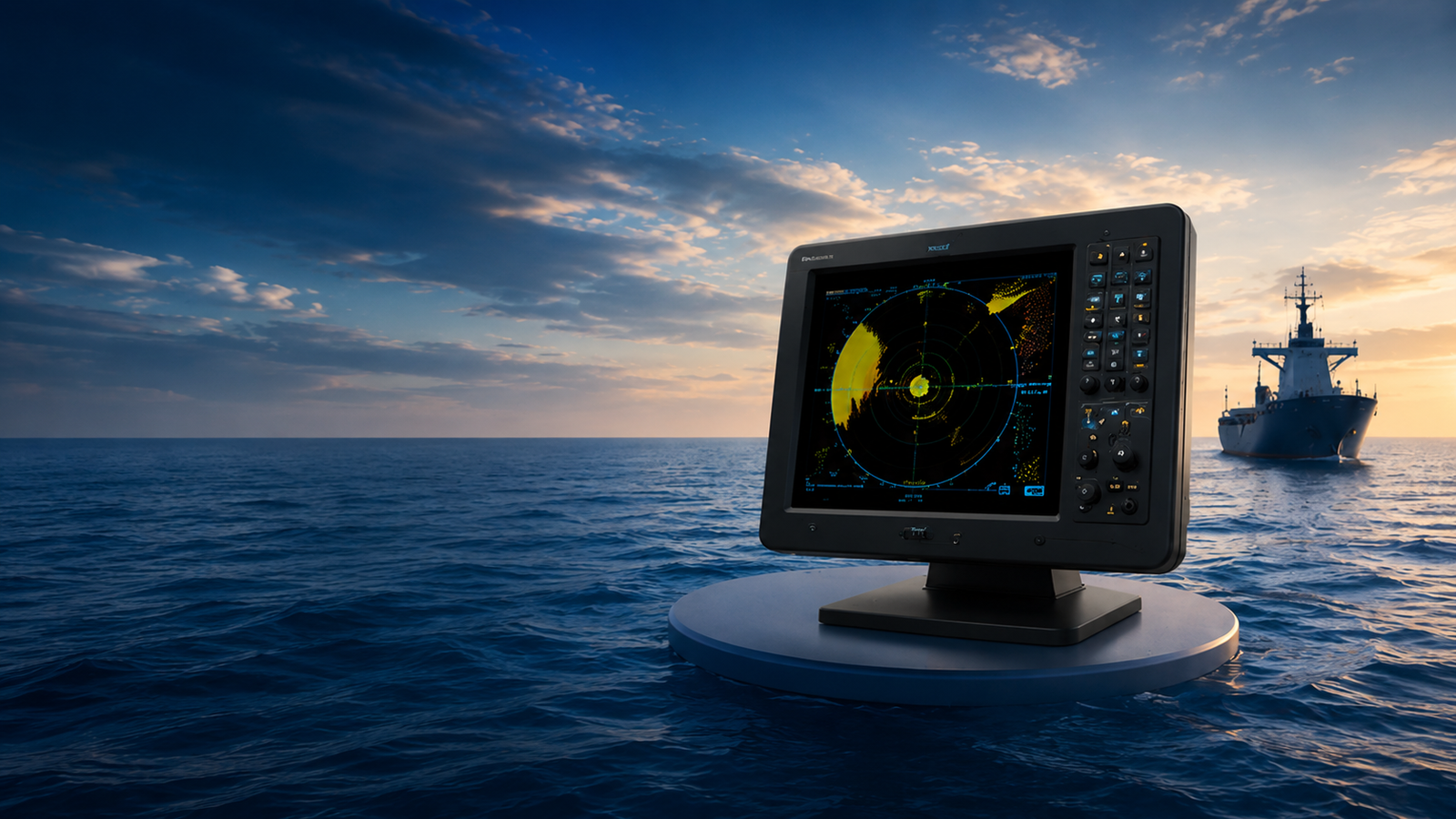
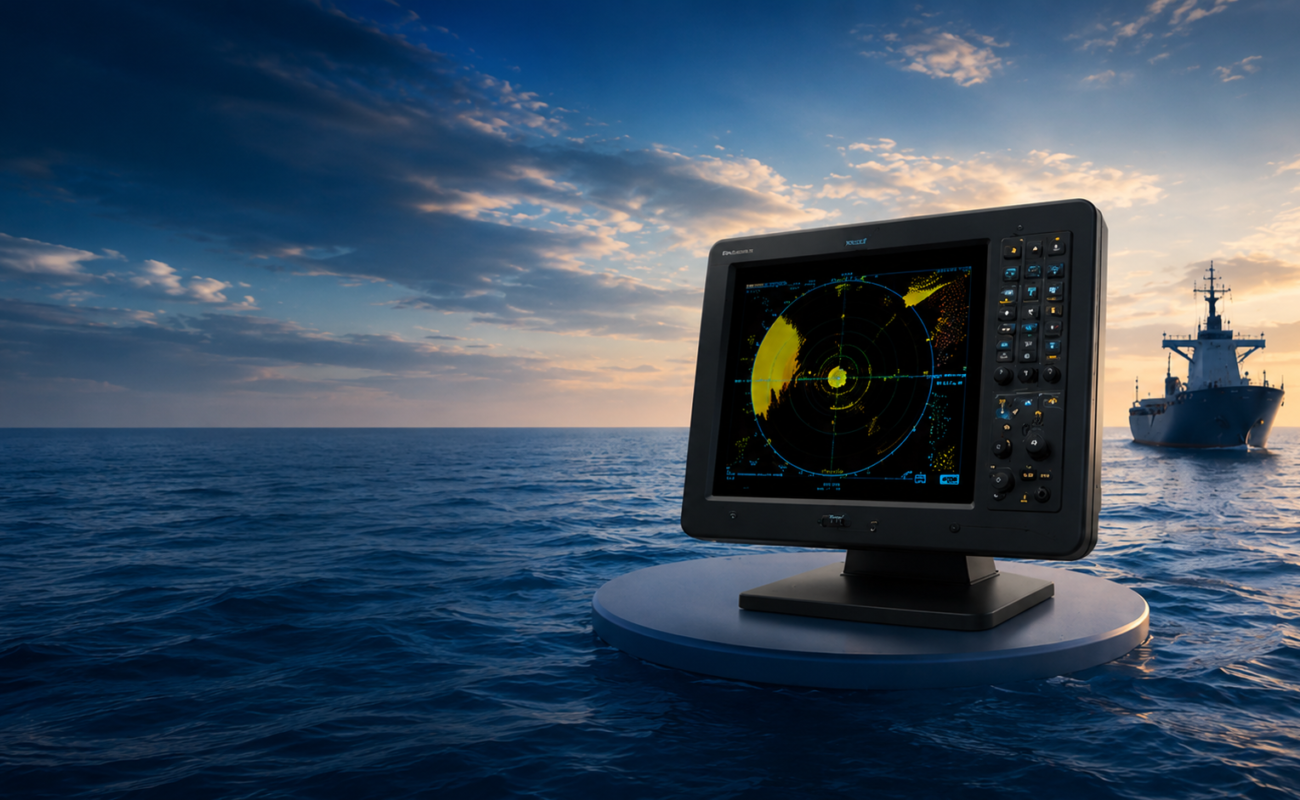
The maritime industry is entering a new era of navigation. For centuries, sailors relied on charts, compasses, visual landmarks, and experience to navigate the world’s oceans. Today, advanced electronics, satellite systems, digital charts, automation, and communication technologies have transformed the way vessels travel. As technology continues to develop, the future of marine navigation will become more connected, intelligent, accurate, and focused on safety.
Modern vessels already use a combination of navigation technologies to determine their position, monitor surrounding traffic, and plan efficient routes. Global Navigation Satellite Systems (GNSS), radar, Automatic Identification Systems (AIS), Electronic Chart Display and Information Systems (ECDIS), and advanced communication equipment work together to provide crews with a detailed picture of their operating environment.
One of the most important developments in marine navigation is the integration of multiple systems. Instead of relying on a single source of information, modern navigation bridges can combine data from radar, AIS, GPS/GNSS, depth sensors, weather systems, and electronic charts. This integrated approach allows navigators to make faster and better-informed decisions.
Artificial intelligence is also expected to play a growing role in maritime navigation. AI-powered systems can process large amounts of information and identify patterns that may be difficult to recognize manually. For example, intelligent navigation systems may assist crews in detecting potential collision risks, analyzing traffic movements, identifying unusual vessel behavior, and recommending safer routes.
Automation is another major area of development. Autonomous and remotely assisted vessels are already being explored and tested in different parts of the maritime industry. While fully autonomous shipping still faces technical, regulatory, and operational challenges, automation can already assist crews with route planning, monitoring, machinery management, and decision support.
Digital charts are also changing navigation practices. Electronic navigation systems provide access to detailed chart information and allow crews to plan, monitor, and adjust routes more efficiently. When combined with accurate positioning and sensor data, digital navigation can significantly improve situational awareness.
Communication technology will remain equally important. A vessel may have excellent navigation equipment, but reliable communication is essential when coordinating with ports, other vessels, maritime authorities, and emergency services. Modern marine communication systems are becoming more integrated, allowing information to move quickly between vessels and shore-based operations.
Cybersecurity will also become increasingly important. As ships become more connected and dependent on digital systems, protecting navigation and communication equipment from cyber threats will be essential. Maritime organizations will need to focus not only on installing advanced equipment but also on maintaining secure networks, updating software, controlling access, and training personnel.
Another important trend is predictive maintenance. Traditional maintenance often follows fixed schedules, but modern monitoring systems can provide information about equipment performance and identify potential problems before they become serious. This can reduce unexpected downtime, improve reliability, and help vessel operators manage maintenance costs.
Environmental considerations will influence the future of navigation as well. Route optimization can help vessels reduce unnecessary fuel consumption and improve operational efficiency. Better weather information, traffic analysis, and intelligent route planning can contribute to more efficient voyages.
Despite these technological advances, human expertise will remain an important part of maritime operations. Technology is designed to support navigators, not eliminate the importance of professional knowledge and judgment. Crew members must understand how systems work, recognize limitations, verify information, and respond appropriately when technology fails or produces unexpected results.
The future of marine navigation is therefore not based on one single invention. It is the result of bringing together reliable positioning, communication, radar, electronic charts, automation, data analysis, and human expertise.
For ship owners and operators, investing in modern navigation technology is an investment in safety, efficiency, and operational reliability. As the maritime industry continues to evolve, companies that understand and adopt these technologies will be better prepared for the demands of modern shipping.
Baomaritech aims to support this evolution by providing marine technology solutions that help vessels remain connected, informed, and ready for the challenges of navigation at sea.